• © 2025 worldshare Contact Me 0

There is a distinct, lingering trauma in knowing that your suffering could have been preventable.

It is an extraordinarily heavy burden to carry the weight of a medical file that tells two different stories: a diagnosis of a benign tumor and the advanced breast cancer you actually had to endure because no one listened.

According to the early assessments at Christinakliniken, my condition was not only not urgent; it did not require treatment or follow-up.

In a just world—a world where a patient’s concerns are validated the first time they ask for help—my path would have been very different.
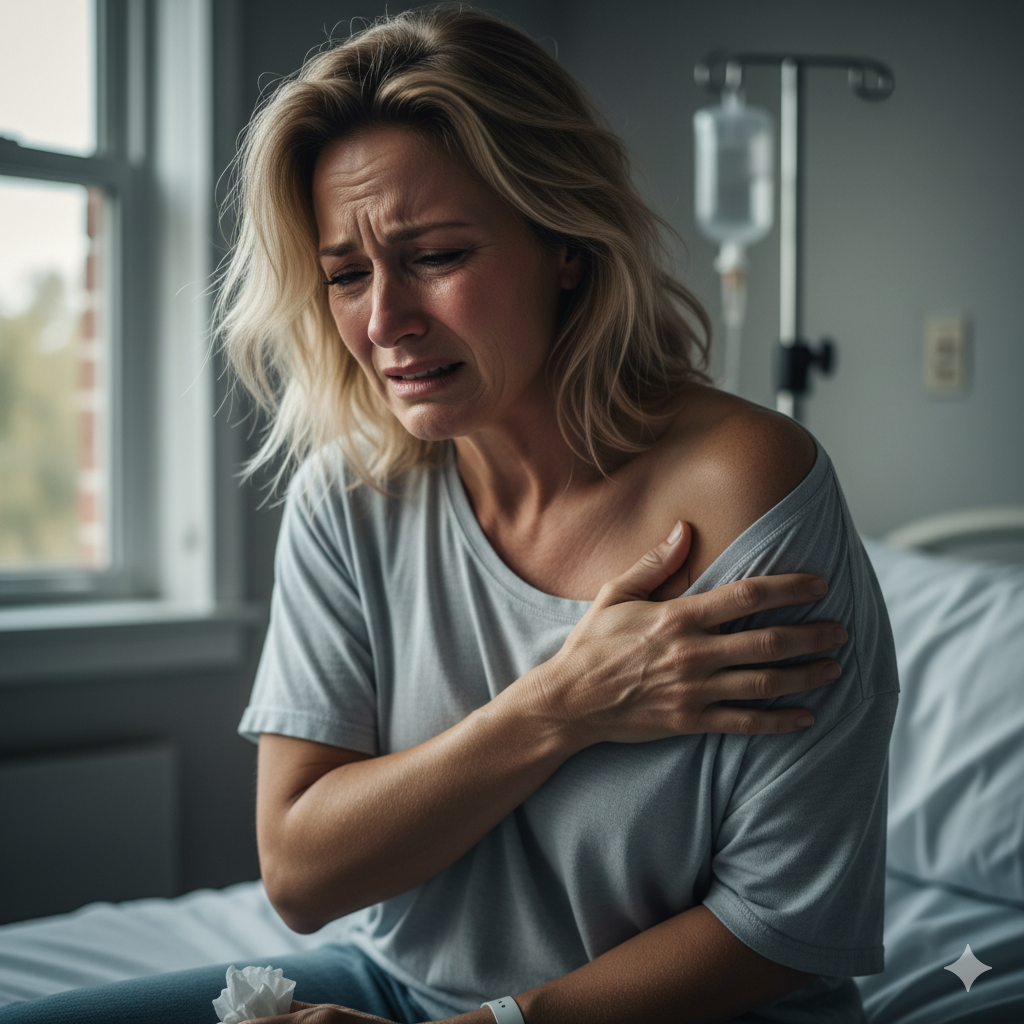
Stacks Image 11
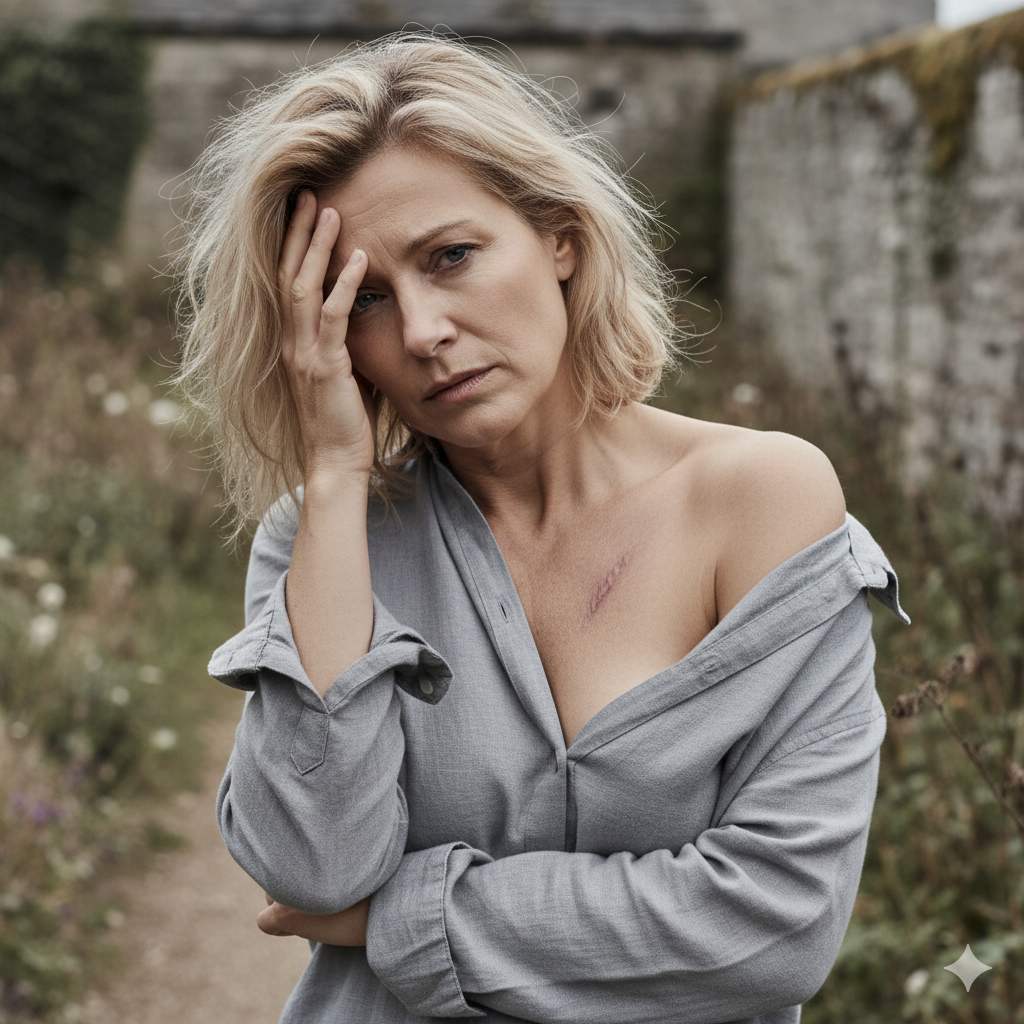
Stacks Image 22
The medical literature outlines a careful, measured approach to care: the type of treatment you receive will depend on many factors, such as how different the tumor cells look from normal breast cells, how likely the tumor cells are to grow and spread, and the results of biomarker tests.

If only they had listened when I first sounded the alarm and performed the lumpectomy I requested, those same factors would have guided a manageable treatment plan.

I would have
had options. I would have had a voice in my own healing. Instead, I was met with sixteen months of waiting. Sixteen months of deafening neglect.
By the time the medical system finally moved, the luxury of choice had been violently stripped away from me.

The cancer had advanced, not because it was inherently untreatable from the start, but because it was given more than 16 months to grow unchecked in the dark.

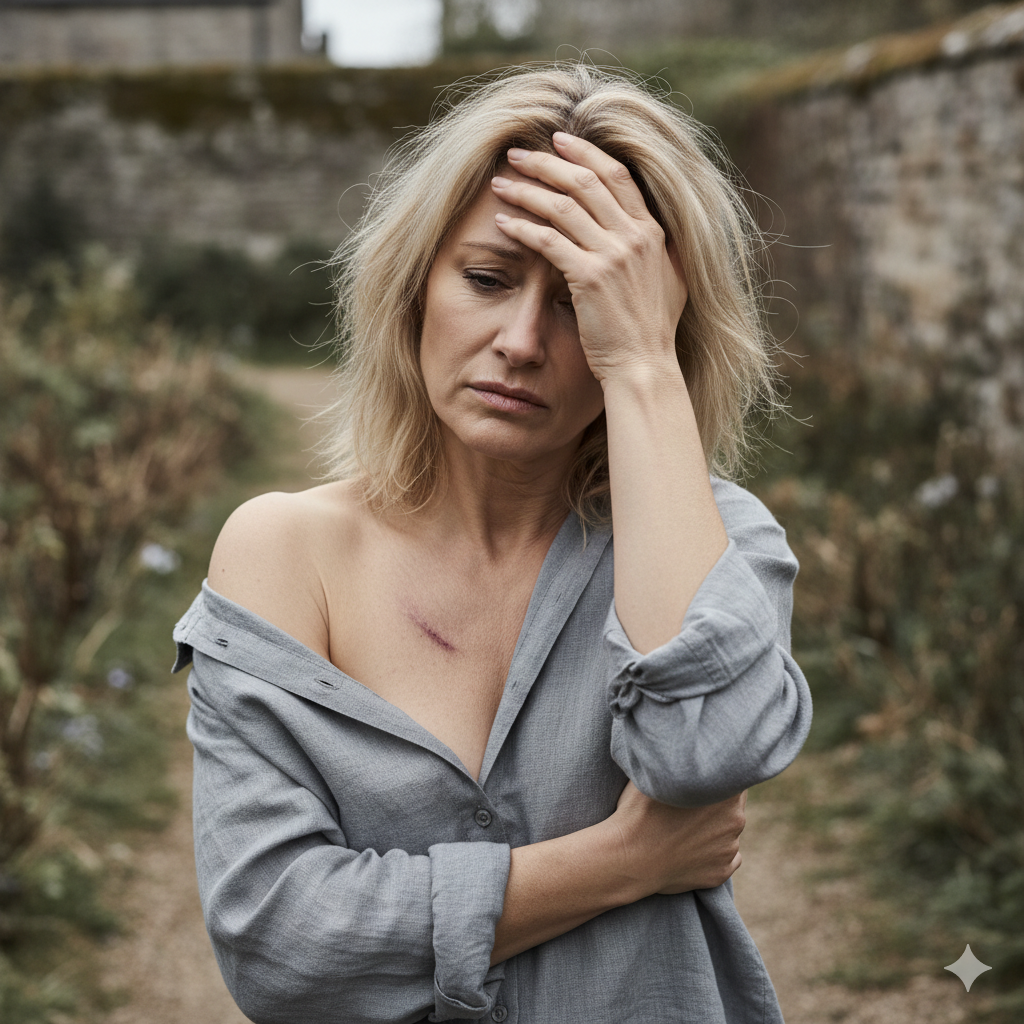
Because of that delay, the interventions had to be severe. My breast and lymph nodes had to be removed, and I had to undergo radiation and hormonal therapy—drastic, body-altering measures for a reality that could have been avoided.

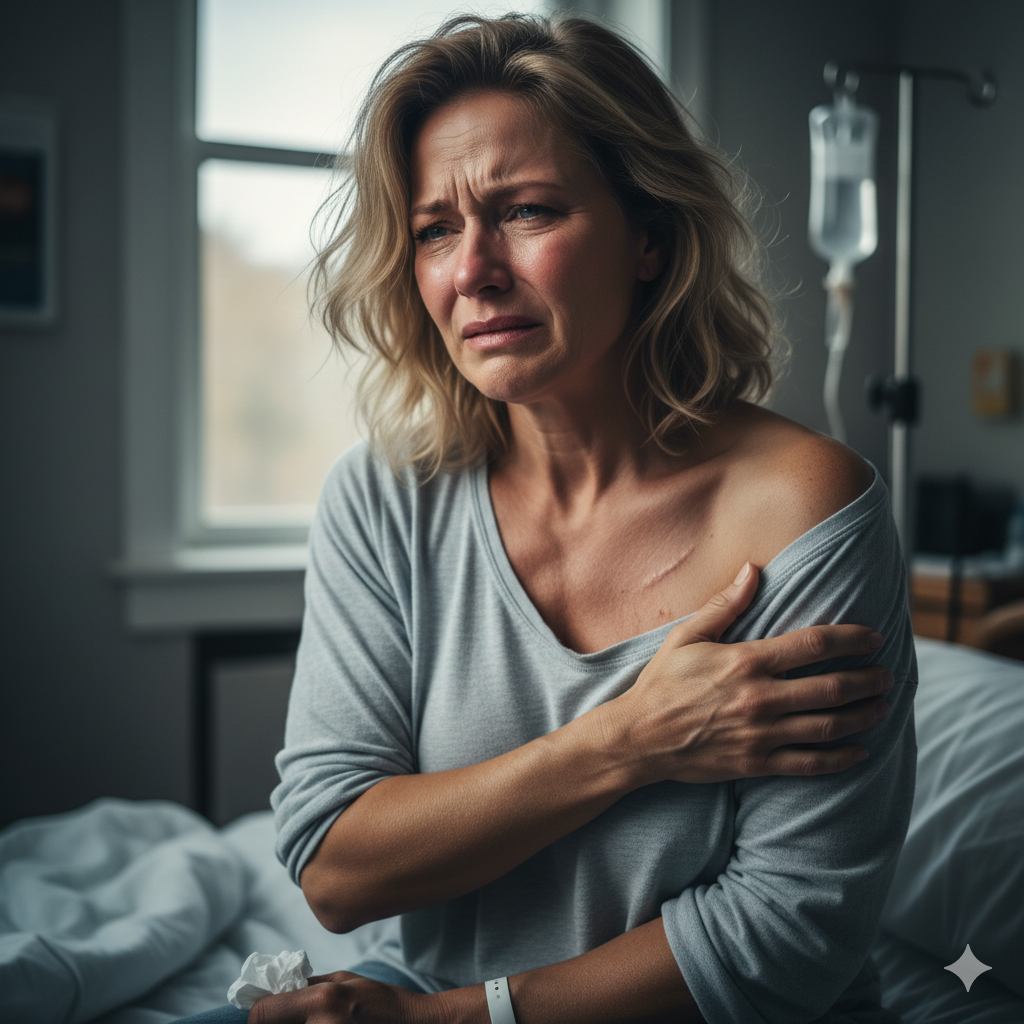
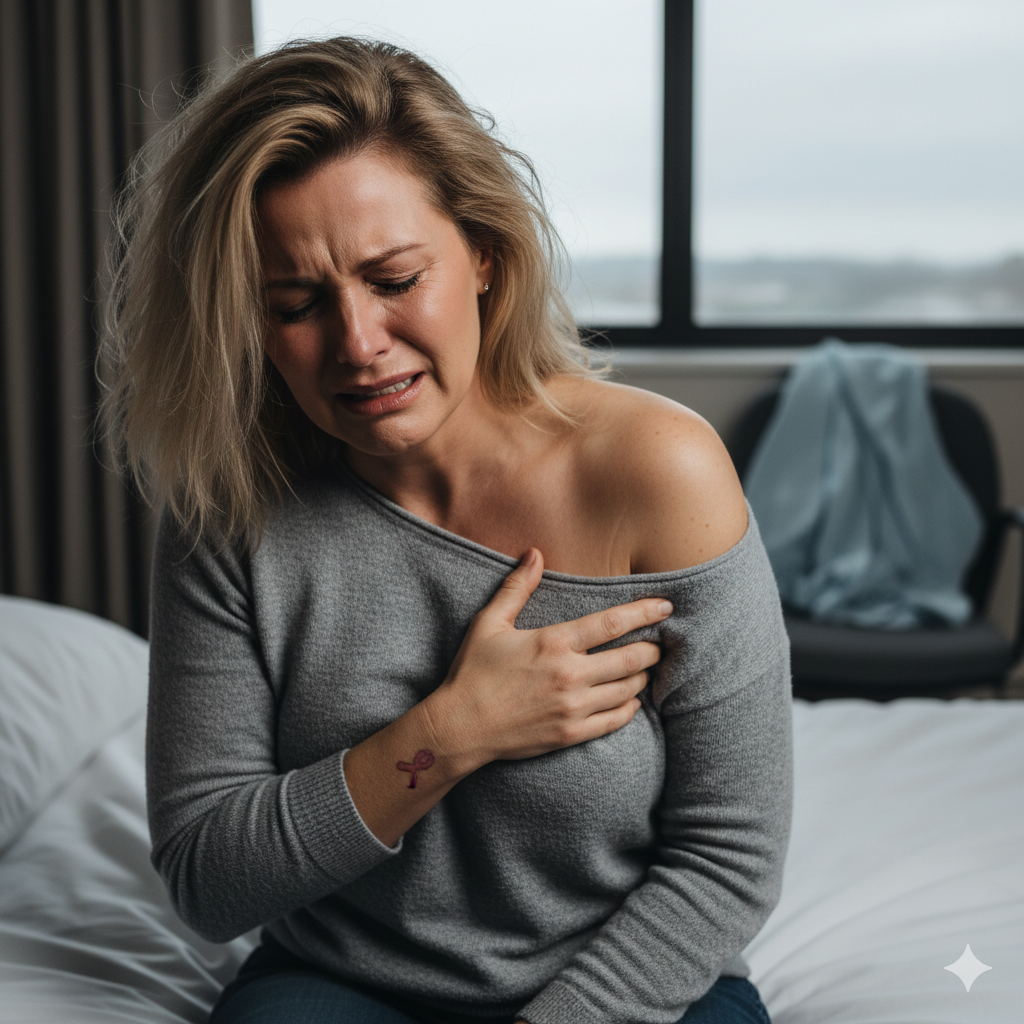
Now, I am left with the permanent, daily physical reminder of their 16-month silence: lymphedema, a seven-year seroma, frozen shoulder, fatigue, chronic insomnia, and chronic pain.
Stacks Image 33
Stacks Image 31
The clinical texts are cold and absolute about this consequence: once lymphedema develops, it is a chronic condition that cannot be cured.

The seroma continues after
seven years, and it's becoming more painful; my arm is handicapped by the frozen shoulder.

All of this is directly caused by the radiation and the lymph node removal—treatments that could have been avoided if not for the catastrophic delay.

I suffer today not just from a disease, but from a profound failure of care.
Every single day that I manage this chronic, irreversible condition, and every single day I am reminded of the ghost of a different life—the life where these doctors listened!

I had no choice in the end, because by the time they diagnosed me with breast cancer, it was too late; my choices were gone. However, Christinakliniken had a choice, and their choice to ignore me cost me my health and quality of life for the rest of my years.

Worldshare